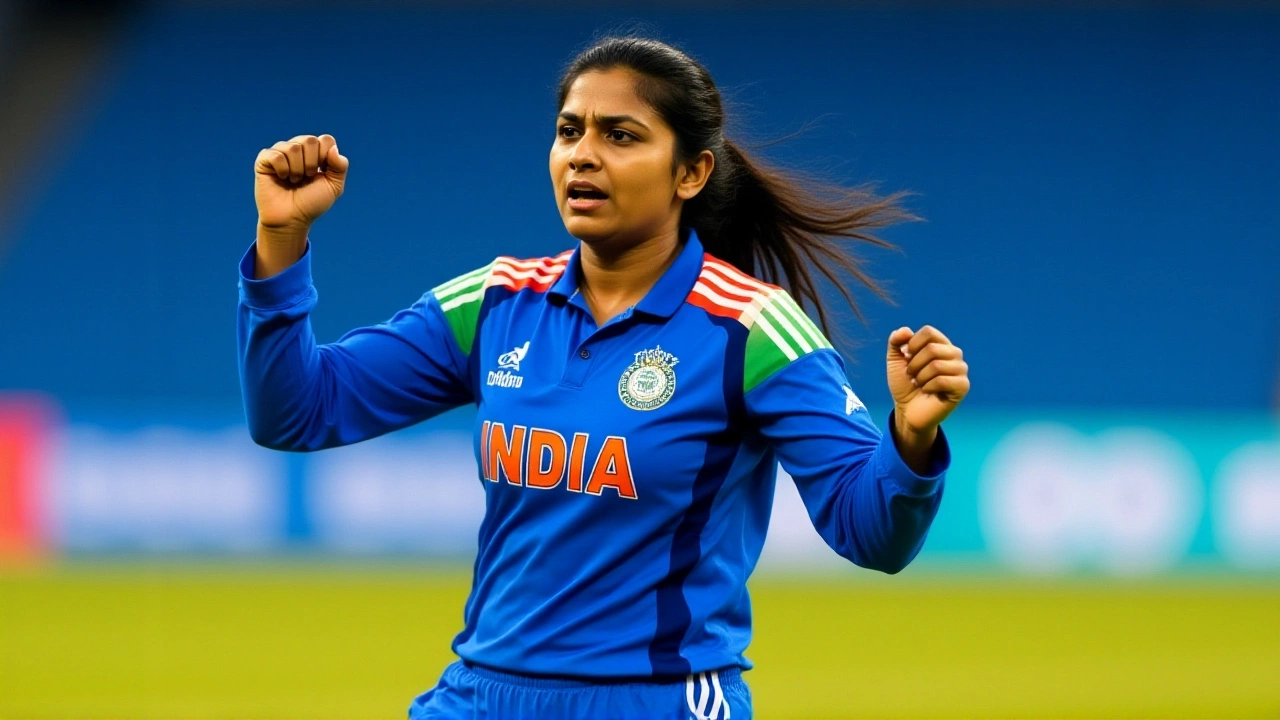
When Deepti Sharma stepped onto the auction stage in New Delhi on November 27, 2025, the room fell silent — then erupted. Her final bid of ₹3.2 crore didn’t just make her the most expensive player in WPL 2026 mega auctionNew Delhi history. It sent a thunderclap through women’s cricket: this isn’t just a league anymore. It’s a market. And the market is hungry.
Auction Fireworks in the Capital
The WPL 2026 mega auctionNew Delhi began at 7:15 p.m. IST, and within minutes, the bidding wars were hotter than a Delhi summer. Over six hours, 67 players changed hands — 23 of them overseas — for a total of ₹40.8 crore. That’s not just a number. It’s a 28.5% jump from last year’s auction. And it’s not just about money. It’s about validation.
Deepti Sharma, the gritty all-rounder who’s carried India’s middle order for years, became the first Indian woman to break the ₹3 crore barrier. Her previous contract? ₹1.8 crore. Now? ₹3.2 crore. The jump wasn’t just financial — it was symbolic. Teams aren’t just buying talent anymore. They’re buying leadership. The kind that can turn a match in the final overs, both with bat and ball.
The Battle for Shikha Pandey
But Sharma wasn’t the only one who made headlines. The real drama unfolded when Shikha Pandey, the veteran fast bowler who spent three straight seasons with Delhi Capitals, hit the auction block. RCB and UP Warriorz went toe-to-toe, pushing the price past ₹2 crore like it was nothing. When UP Warriorz finally landed her for ₹2.40 crore, the crowd roared. Pandey, once the backbone of Delhi’s pace attack, was now the crown jewel of a team rebuilding for 2026.
That’s the thing about WPL auctions — they don’t just move players. They move allegiances. Delhi Capitals, owned by JSW and GMR, let her go. Why? Maybe they saw the future differently. Maybe they bet on youth. Either way, UP Warriorz, backed by Capri Global Holdings, didn’t blink.
Overseas Stars, Local Grit
International names didn’t lag behind. Georgia Wareham, Australia’s explosive all-rounder, drew bids from RCB and Gujarat Giants. In the end, Gujarat Giants snapped her up for exactly ₹1 crore — a record for an Australian all-rounder in WPL history. Meanwhile, Deandra Dottin, the West Indies powerhouse who terrorized bowlers in 2025, found a new home with UP Warriorz for ₹80 lakh after RCB backed off.
It wasn’t all glamour, though. Minnu Mani, a promising Indian all-rounder from Kerala, went unsold despite having a base price. No one bid. Not a single rupee. That’s the brutal truth of this league — only the elite survive. The rest? They wait. For next year. For another chance.
Why This Matters Beyond the Numbers
The ₹40.8 crore spent? That’s not just a headline. It’s a statement. In 2023, the inaugural WPL auction totaled ₹31.7 crore. Now? Over ₹40 crore. That’s not inflation. That’s momentum. The Board of Control for Cricket in India (BCCI) isn’t just hosting a tournament. It’s building a professional ecosystem. Sponsorships are rising. Broadcast deals are expanding. And young girls across Tier-2 and Tier-3 cities? They’re watching. They’re dreaming.
Compare this to the early days of the IPL. Back then, people called it a spectacle. Now? It’s the heartbeat of Indian cricket. WPL is on that same path. Deepti Sharma’s ₹3.2 crore deal? It’s the moment women’s cricket stopped being a side note and became the main event.
What’s Next? The Road to WPL 2026
The auction ended at 1:30 a.m. on November 28. By sunrise, teams were already finalizing coaching staffs and training schedules. The WPL 2026 season is expected to kick off in mid-February — likely around the 15th — and run through March. That’s a tight turnaround. But these teams? They’re ready.
UP Warriorz now hold Sharma, Pandey, and Dottin — a lethal trio. RCB still has their core but lost key pieces. Gujarat Giants doubled down on international firepower. Delhi Capitals? They’re rebuilding. Quietly. Strategically.
And what about the unsold players? They’ll be in the reserves. Some might get picked up as replacements. Others? They’ll train harder. The league doesn’t stop. Neither do they.
The Bigger Picture
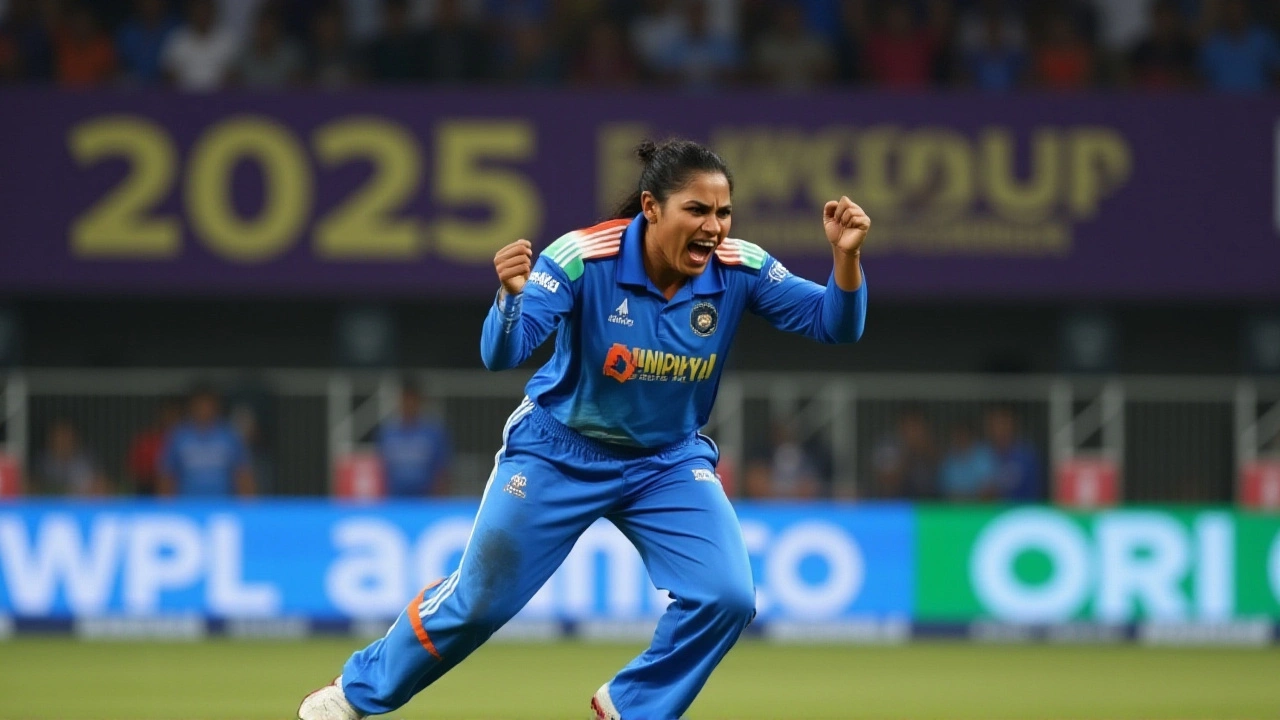
This auction didn’t just reshape squads. It reshaped expectations. For the first time, a woman’s contract in Indian cricket surpassed the base salaries of many male domestic players. That’s not a fluke. It’s policy. It’s progress.
The BCCI’s commitment is no longer just rhetorical. It’s in the numbers. In the bidding wars. In the packed stands of Delhi’s Arun Jaitley Stadium. In the TV ratings that now rival men’s domestic tournaments.
There’s still a long way to go — equal pay, equal infrastructure, equal media coverage. But on November 27, 2025, something changed. The market said: Women’s cricket is worth investing in. And for the first time, the numbers agreed.
Frequently Asked Questions
How does Deepti Sharma’s ₹3.2 crore deal compare to other women cricketers globally?
Sharma’s contract is now the highest ever paid to an Indian woman cricketer in a franchise league. Globally, it sits just below the top-tier deals in the Women’s Big Bash League (WBBL), where stars like Ellyse Perry and Alyssa Healy command AUD 180,000–200,000 (₹9–10 crore). But Sharma’s deal is the highest for a player from a non-Australian or non-English team — a landmark for emerging cricketing nations.
Why did Minnu Mani go unsold despite her base price?
Minnu Mani, though talented, was seen as a developmental player rather than a match-winner in the current WPL landscape. Teams prioritized all-rounders with proven T20 experience and international exposure. Her lack of international caps and limited exposure in domestic T20 tournaments made her a risky pick, especially with deeper rosters available. She remains eligible for replacement signings during the season.
What’s the difference between a mega auction and a regular auction in WPL?
A mega auction requires all players to be re-auctioned — no retained players. Regular auctions allow teams to retain 3–5 players from the previous season. WPL 2026 was a mega auction, meaning every franchise started from scratch. This creates more competitive bidding and reshuffles team dynamics dramatically, unlike the 2024 and 2025 auctions, which were smaller-scale with retention options.
Which franchise spent the most in the WPL 2026 auction?
UP Warriorz led spending with approximately ₹11.6 crore across six acquisitions, including Deepti Sharma (₹3.2 cr), Shikha Pandey (₹2.4 cr), and Deandra Dottin (₹80 lakh). Royal Challengers Bengaluru came second with ₹9.8 crore, while Gujarat Giants and Delhi Capitals spent around ₹8.7 crore and ₹7.9 crore respectively.
How many overseas players were bought, and who were the most expensive?
Twenty-three overseas players were sold, making up 34% of all transactions. The most expensive was Georgia Wareham (Australia) at ₹1 crore, followed by Deandra Dottin (West Indies) at ₹80 lakh. South Africa’s Marizanne Kapp and England’s Nat Sciver-Brunt were also in high demand but were retained by their respective teams and did not enter the auction.
What’s the financial impact of this auction on women’s cricket in India?
The ₹40.8 crore spend is the largest ever in WPL history and reflects a 28.5% year-over-year increase. This surge signals growing corporate confidence, with brands like Capri Global and JSW investing heavily. It also pressures the BCCI to increase player stipends, improve training facilities, and expand the league to eight teams by 2027 — a move already under internal review. For the first time, women cricketers can realistically see a career path in India that rivals men’s domestic cricket.